 Patrick (Paddy) Moore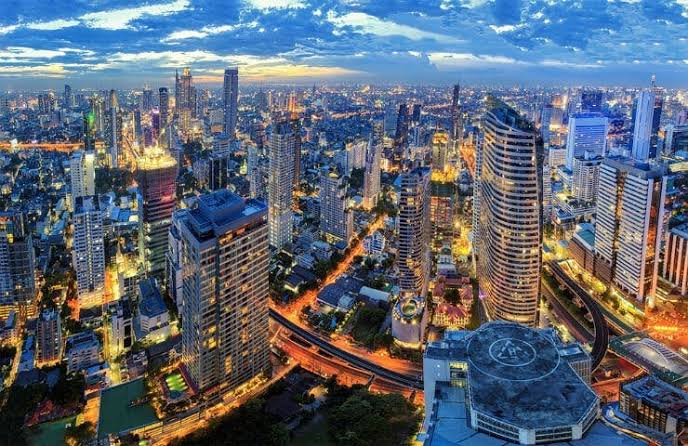
Ancient Temples Meet a Modern Metropolis
Bangkok does not simply welcome you—it sweeps you into its current.
Loud, colourful, vibrant, bustling and wonderfully unpredictable, Thailand’s capital is an exhilarating blend of ancient tradition and restless modern energy. Golden temples rise beside glass towers. Longtail boats weave through historic canals. Street-food vendors serve unforgettable dishes within sight of glittering luxury hotels.
And yet, between the markets, traffic and neon-lit evenings, Bangkok can be surprisingly peaceful.
Known in Thailand as Krung Thep, Bangkok is more than the country’s capital. Much as London represents more than England’s seat of government, Bangkok gathers the flavours, traditions and personalities of Thailand’s many regions into one compelling destination.
A City of Temples and Towers
Bangkok’s skyline tells two stories at once.
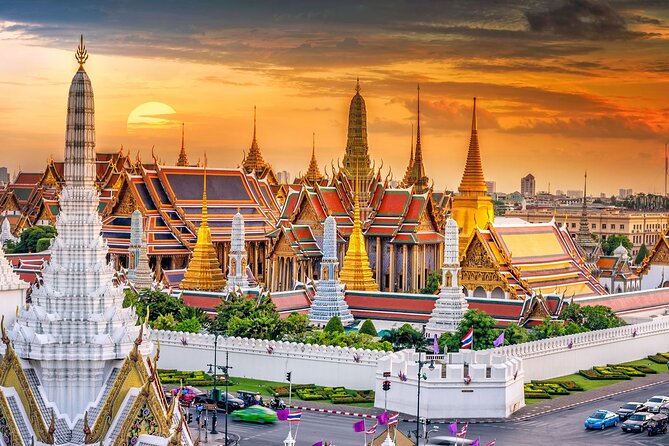
Modern skyscrapers speak of a fast-moving, cosmopolitan city, while magnificent temples preserve centuries of spiritual devotion. At Wat Phra Kaew, within the grounds of the Grand Palace, intricate architecture and sacred treasures reveal the artistry of the Thai royal tradition.
Across the Chao Phraya River, Wat Arun, the Temple of Dawn, rises gracefully above the water. Its porcelain-covered spires are particularly beautiful in the soft light of morning or as the sun begins to set.
For a quieter experience, visit Wat Benchamabophit, often called the Marble Temple. Its elegant courtyards offer a moment of calm in a city that rarely lowers its voice.
Follow the River
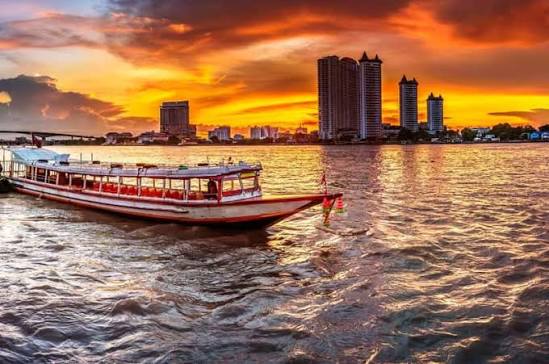
The Chao Phraya River has shaped Bangkok’s history, commerce and daily life.
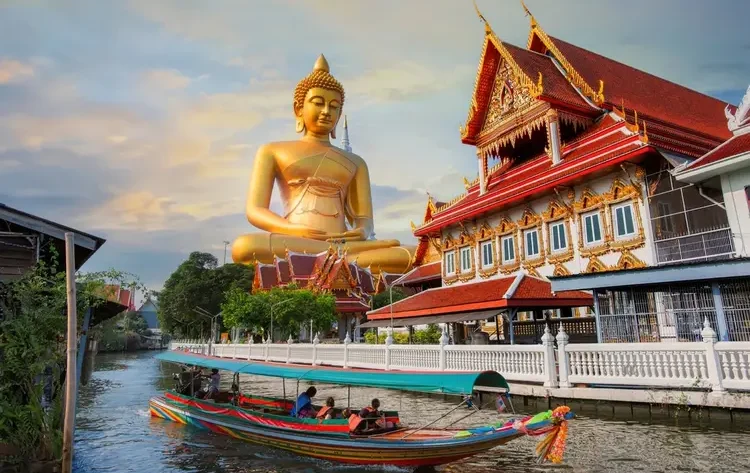
A longtail boat journey through the canals of Thonburi reveals another side of the capital—wooden homes, waterside temples, floating kitchens and neighbourhoods where life continues at a gentler rhythm.
It is one of the best ways to understand the city.
From the water, Bangkok’s contrasts feel perfectly natural: a gilded temple beside a weathered family home, a luxury hotel overlooking a busy ferry dock, and quiet canals flowing only moments away from the urban whirl.
Markets, Neighbourhoods and Hidden Corners
Bangkok rewards curiosity.
The immense Chatuchak Weekend Market is a maze of clothing, crafts, artwork, antiques, plants and food stalls. It is less a shopping trip than a spirited expedition—comfortable shoes are essential, and a sense of direction is merely aspirational.
Chinatown offers another sensory feast. Its lanes glow with signs, market stalls and restaurants serving everything from dim sum and roasted duck to bowls of noodles prepared beside the street.
Across the river, Thonburi presents a more traditional Bangkok, while Khao San Road remains famous for its lively backpacker energy, night markets and international crowd.
A World Capital of Flavour
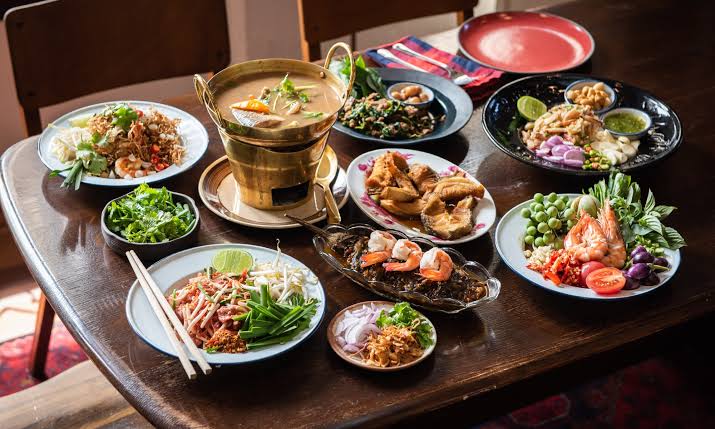
Bangkok’s culinary scene ranges from humble street stalls to internationally acclaimed restaurants.
Begin with familiar favourites such as:
- Pad Thai
- Green curry
- Tom yum soup
- Mango sticky rice
- Som tam, Thailand’s lively green papaya salad
But leave room for discovery.
Bangkok’s best meals are not always found beneath chandeliers. A plastic stool, a sizzling wok and a vendor who has perfected one dish over several decades can produce a meal worthy of its own passport stamp.
Floating markets along the Chao Phraya and surrounding waterways add another layer of charm, with vendors preparing fruit, noodles and snacks directly from their boats.
Pause, Breathe and Feel Sabai
Bangkok may move at full speed, but Thai culture also makes room for ease.
Traditional Thai massage and spa treatments offer welcome restoration after a day of sightseeing. From refined hotel spas to neighbourhood massage studios, these experiences reflect the Thai ideal of balance and well-being.
That feeling is captured in the word sabai, meaning pleasant, comfortable, relaxed or feeling good.
Life, whenever possible, should be sabai.
The Traveltini of Thailand
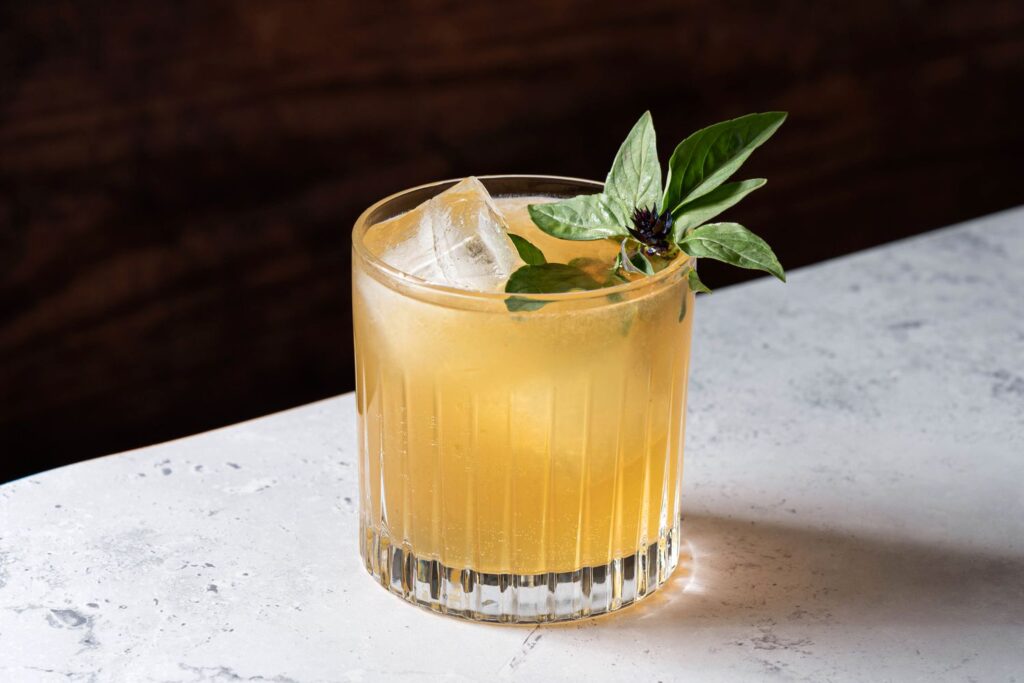
The Sabai Sabai
Also known as the Thai welcome drink, the Sabai Sabai is refreshing, aromatic and relaxed—rather like the mood one hopes to achieve after surrendering to Bangkok’s rhythm.
Its distinctive ingredient is Mekhong, a Thai spirit produced from sugar cane, molasses and a small proportion of rice spirit. It is flavoured with a closely guarded blend of native Thai herbs and spices. Although often called Thai whisky, its character is somewhat closer to rum.
What You Need
- ½ oz Mekhong
- 1½ oz fresh lemon juice
- ¾ oz simple syrup
- 1–2 fresh sweet Thai basil leaves
- 1–4 oz club soda, according to taste
- Ice
How to Make It
Add the Mekhong, lemon juice, simple syrup and Thai basil to a cocktail shaker.
Fill with ice and shake vigorously.
Strain into a chilled glass filled with fresh ice.
Top with club soda to taste.
Garnish with a fresh basil leaf or lemon wheel.
Chaiyo! — Cheers!
An Alternatini
Thai Basil Citrus Cooler
This alcohol-free variation preserves the refreshing citrus and herbal character of the Sabai Sabai.
What You Need
- 1½ oz fresh lemon juice
- ¾ oz simple syrup
- 2 fresh Thai basil leaves
- 2 oz chilled jasmine tea
- Club soda
- Ice
How to Make It
Gently press the basil leaves in the bottom of a shaker.
Add the lemon juice, simple syrup, jasmine tea and ice.
Shake well and strain into an ice-filled glass.
Top with club soda and garnish with basil.
Light, fragrant and thoroughly sabai.
Bangkok After Dark
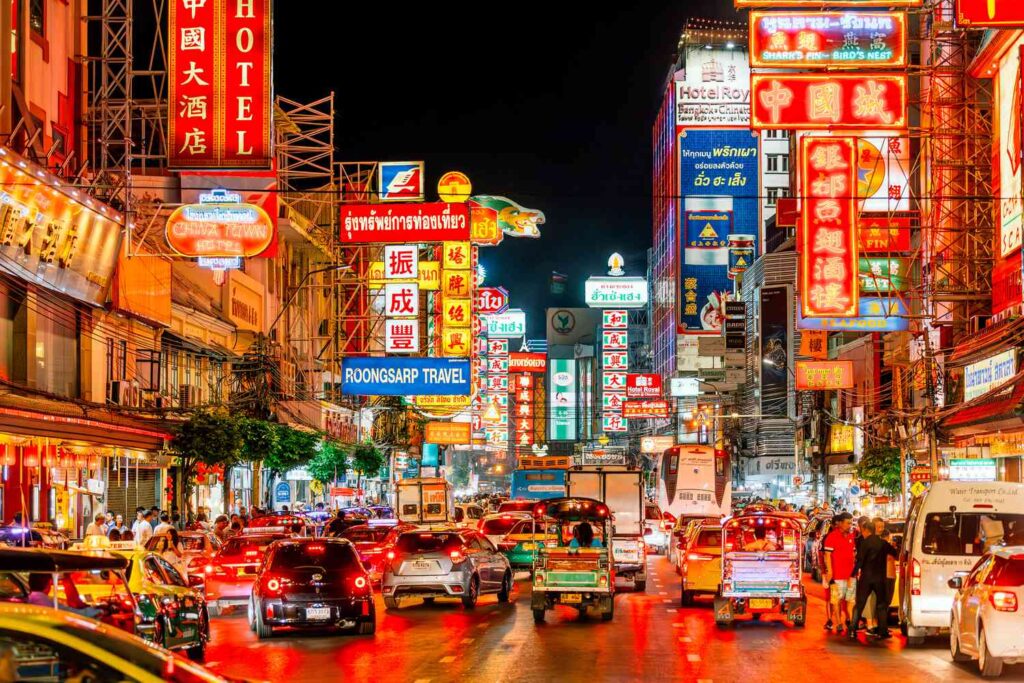
When the sun sets, Bangkok transforms.
Rooftop lounges glow above the skyline, jazz drifts through historic hotel bars, and imaginative venues reveal the city’s playful theatrical side.
Among the notable establishments featured in the original Traveltinis Bangkok page are:
Moon Bar
Located on the 61st floor of the Banyan Tree hotel, Moon Bar pairs sweeping city views with the thrill of being suspended high above Bangkok’s glittering streets.
TEP Bar
Tucked into a side alley near bohemian Soi Nana, TEP Bar celebrates Thai ingredients, culture and music in an intimate setting.
Backstage Bar
Part of the theatre-themed Playhaus boutique hotel, this imaginative bar resembles a theatrical dressing room. The cocktails continue the performance—without requiring guests to memorize any lines.
Sing Sing Theater
This Sukhumvit nightlife destination offers a lavish, cinematic interpretation of 1930s Shanghai.
The Bamboo Bar
Located at the Mandarin Oriental, The Bamboo Bar is one of Bangkok’s historic jazz destinations and has welcomed internationally renowned musicians.
Teens of Thailand
Hidden along a small lane near Chinatown, this distinctive bar was created as an alternative to Bangkok’s abundance of traditional speakeasies.
Traveltini Travel Tip
Bangkok deserves more than a quick overnight stop between flights.
Allow at least three days to experience its essential contrasts: one day for the Grand Palace and temples, another for the river and neighbourhoods, and a third for markets, food and a restorative spa treatment.
The Best Time: November to February
For most travelers, visiting Bangkok can be ideal between November and February. During these months, the city enjoys the coolest and driest weather of the year, making it perfect for exploring the outdoor wonders of Bangkok. The temperature ranges from 20°C to 31°C (68°F to 88°F), providing a comfortable climate for sightseeing and outdoor activities.
Begin early, pause during the hottest hours, dress respectfully when visiting temples and leave room in the itinerary for the unexpected.
Bangkok rarely follows a tidy script—and that is precisely its charm.
“Tourists don’t know where they’ve been; travellers don’t know where they’re going.”
— Paul Theroux
In Bangkok, getting slightly lost may be the beginning of the best story.