 Patrick (Paddy) Moore
 Ernest Hemingway’s sparkling toast to courage, cafés, and the art of living well.
Some cocktails are born behind polished hotel bars. Others emerge from beach shacks or tropical hideaways. But every so often, a drink arrives from the pages of literature.
Death in the Afternoon is one of those rare creations.
It was introduced by Ernest Hemingway in 1935 for a celebrity cocktail collection. Hemingway’s instructions were famously brief—and unmistakably Hemingway:
“Pour one jigger of absinthe into a champagne glass. Add iced Champagne until it attains the proper opalescent milkiness. Drink three to five of these slowly.”
Whether anyone should actually follow the final sentence is another matter entirely.
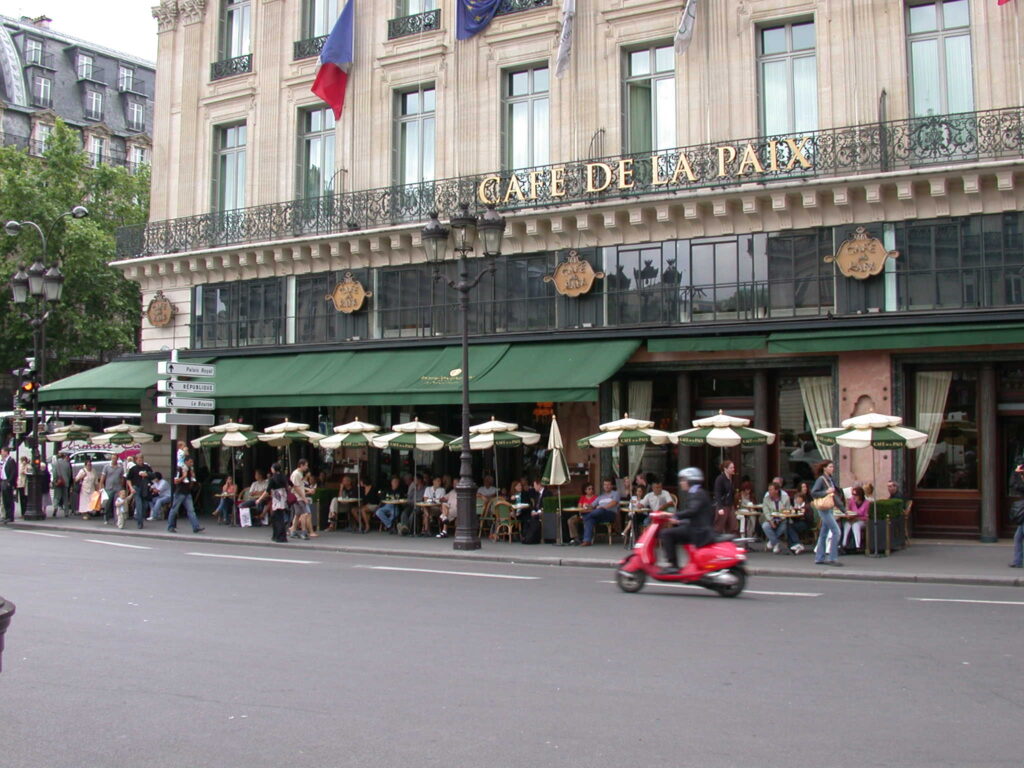
The cocktail takes its name from Hemingway’s acclaimed 1932 nonfiction masterpiece Death in the Afternoon, his thoughtful—and often controversial—exploration of Spanish bullfighting. While the book examines courage, mortality, artistry, and tradition, the cocktail captures another side of Hemingway’s world: long afternoons in Paris cafés, conversations that wandered into the evening, and the belief that life’s greatest adventures were often found around the next corner.
Today, the drink remains wonderfully unconventional. It isn’t sweet. It isn’t fruity. Instead, it balances the herbal complexity of absinthe with the bright elegance of Champagne, creating a surprisingly delicate cocktail that’s equal parts celebration and conversation starter.
It’s the sort of drink that encourages lingering—not rushing.
🍸 Recipe
Ingredients
- 1 oz (30 ml) absinthe
- 4–5 oz (120–150 ml) well-chilled Champagne or dry sparkling wine
How to Make It
- Chill a Champagne flute.
- Pour the absinthe into the glass.
- Slowly top with chilled Champagne.
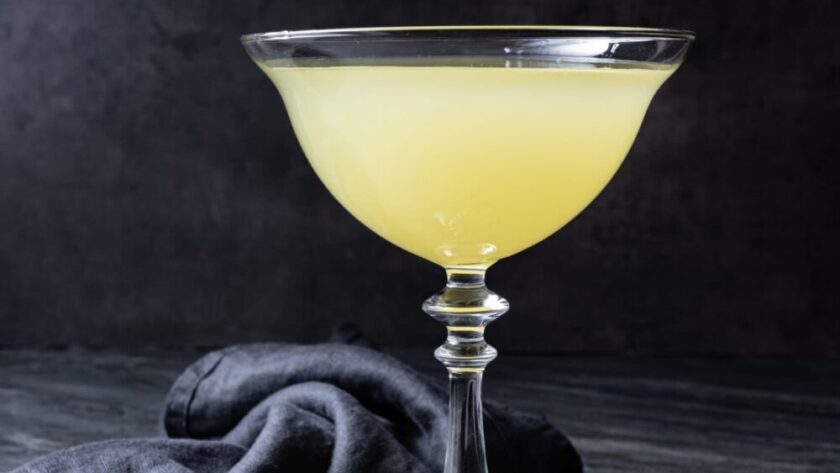
- Watch as the drink transforms into its distinctive cloudy, pearlescent appearance—the famous louche effect.
- Serve immediately.
Garnish
Traditionally, none.
The simplicity is part of its charm. If desired, a thin lemon twist may be expressed over the surface before discarding.
Tasting Notes
The first sip surprises many people.
Bright bubbles soften absinthe’s bold herbal character, revealing subtle notes of anise, fennel, alpine herbs, citrus, and wildflowers. The Champagne contributes crisp acidity and delicate fruit, producing an elegant finish that is remarkably refreshing despite its formidable reputation.
It’s contemplative rather than playful—a cocktail for readers, storytellers, and curious travellers.
Pair It With
Imagine yourself:
- watching the sunset from a terrace in Paris
- overlooking vineyards in Champagne
- lingering at a café in Madrid after an afternoon exploring museums
- enjoying the final evening aboard an elegant European river cruise
This is not a drink for hurried happy hours.
It’s for moments that deserve to last a little longer.
The Traveltini Connection
Hemingway believed travel wasn’t simply about changing locations—it was about seeing the world differently.
He lived in Paris, reported from Spain, fished the waters of Cuba, explored Africa, and found stories wherever curiosity carried him. Every destination shaped his writing, just as every journey leaves its mark on us.
Whether you’re wandering cobblestone streets in Europe, discovering hidden cafés along the Seine, or raising a glass aboard a river ship gliding through France, Death in the Afternoon reminds us that memorable journeys often combine remarkable places with unforgettable conversations.
Travel well.
Toast thoughtfully.
Collect stories.
Hemingway Trivia
- Ernest Hemingway won the Nobel Prize in Literature in 1954.
- His Paris years inspired the memoir A Moveable Feast, one of the greatest love letters ever written to a city.
- The original recipe appeared in So Red the Nose, or Breath in the Afternoon, a celebrity cocktail book published in 1935.
- Despite its intimidating name, the drink is admired today more for its elegance than its strength—although moderation is definitely recommended.